Results

Author: HTWP Admin

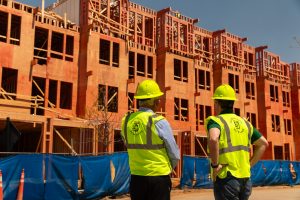
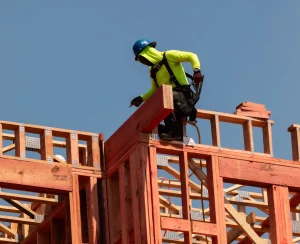
A construction site with workers installing and cutting fire-retardant-treated wood for a building.

Best Practices for Cutting, Drilling, and Fastening FRTW

Fire-Retardant-Treated Wood (FRTW) is a vital safety tool for contractors, code officials, architects and other building professionals. Getting the most out of the materials requires understanding how to cut, drill, and fasten the material correctly to maintain performance and meet code requirements. So what are some of the common questions
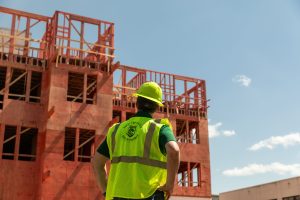
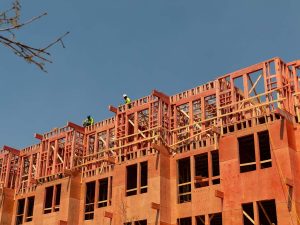
Hoover Treated Wood Products representative wearing a safety vest and hard hat standing in front of a large multi-story wood-framed building under construction demonstrating sustainable building materials in action.

Traditional vs Sustainable Building Materials

As the construction industry evolves, decisions about material selection play a critical role in performance, cost, and environmental impact. At Hoover Treated Wood Products, we believe choosing the right building materials, whether traditional or sustainable, should be based on facts, long-term benefits, and alignment with project goals. Informed by our

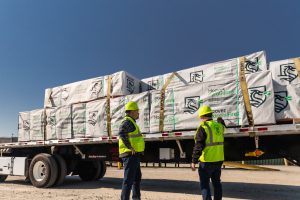
Two construction workers on a Hoover FRTW jobsite construction.

A Specifier’s Guide to Fire-Retardant-Treated Wood

Fire-retardant-treated wood (FRTW) plays an increasingly important role in modern construction. It meets strict fire-safety requirements, supports sustainable building goals and allows designers to incorporate the warmth and versatility of wood into projects where fire performance is critical. But specifying FRTW correctly can be complicated. Codes reference multiple standards, and

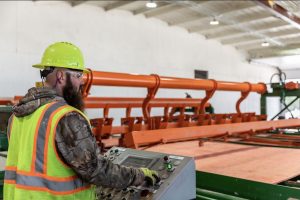
A Hoover Treated Wood Products employee in a high-visibility vest and hard hat operates a control panel at the lumber stacker on the production floor.

How Hoover’s Fire-Retardant-Treated Wood Treatment Process Works

At Hoover Treated Wood Products, we understand that building safe, durable structures requires materials that meet the highest standards. Since 1955, we’ve stood behind our commitment to Build By The Code. Live By The Code.  Our  Fire-Retardant-Treated Wood (FRTW) products complete a proprietary pressure-treatment process that enhances the natural properties of wood. It ensures maximum performance without sacrificing our commitment to sustainability.   Step #1: Receiving Raw Materials Hoover operates a nationwide network

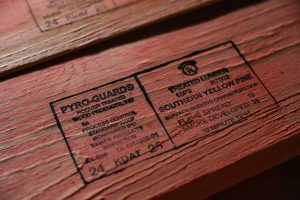
Close-up of Hoover’s PyroGuard Fire-Retardant-Treated Wood showing the product stamp on Southern Yellow Pine lumber, including flame spread and smoke developed ratings.

What is Fire-Retardant-Treated Wood (FRTW)? Benefits, Codes, and Applications

Building and fire safety codes continue to evolve across commercial, multifamily, and residential construction. Fire-Retardant-Treated Wood (FRTW) plays a major role in meeting code and improving building performance. Understanding what FRTW is, how it works, and when it is required helps builders, architects, and code officials choose the right solution for each project.  What Is Fire-Retardant Treated Wood (FRTW)?

2025 in Review: Building, Growing and Protecting What Matters Most

2025 was a big year for Hoover Treated Wood Products. From celebrating 70 years in business to investing in new equipment, expanding our reach, and showing up for our customers and communities, we packed the year with moments worth celebrating. Along the way, we: Attended 22 trade shows and conferences

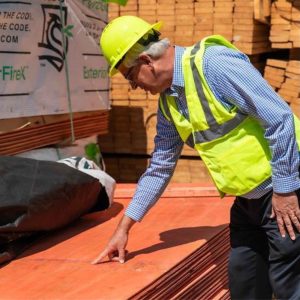
Hoover Expert Jim Gogolski Points to UL Stamp on Hoover PyroGuard Plywood

Hoover Experts Highlight FRTW and Code Compliance at Shaunna’s Summer Study

Last month, Hoover’s Dr. Dave Bueche and Jim Gogolski joined Shaunna’s Summer Study Sessions, a weeklong online event hosted by Mozingo Code Group, LLC. Designed to give architects, contractors, and code officials across the country a chance to sharpen their skills, the event featured targeted webinars on some of today’s

Two Hoover technical experts wearing safety vests and hard hats inspect a multi-story building framed with fire-retardant-treated wood

Meeting Building Codes with Fire-Retardant Treated Wood

A deep dive into how treated wood products help architects and contractors stay compliant with fire safety standards. As fire safety codes evolve, architects and contractors face growing pressure to specify and supply building materials that are both high performing and code compliant. Fire-retardant-treated wood (FRTW) plays a key role

Fire-Retardant-Treated Wood: Trusted in Wildfire-Prone and Code-Driven Projects

Promoting fire-safe solutions for high-profile and high-occupancy projects.    June is National Safety Month, a timely reminder of the need to protect the spaces where people live, work and play. For schools, hospitals, and other essential buildings, fire safety isn’t optional, it’s essential. And when it comes to reducing risk